The major space missions
What are satellites used for? A satellite isn't just used for looking at the stars. It observes, measures, transmits and positions. Behind every satellite launched, there is a specific mission, and often several:
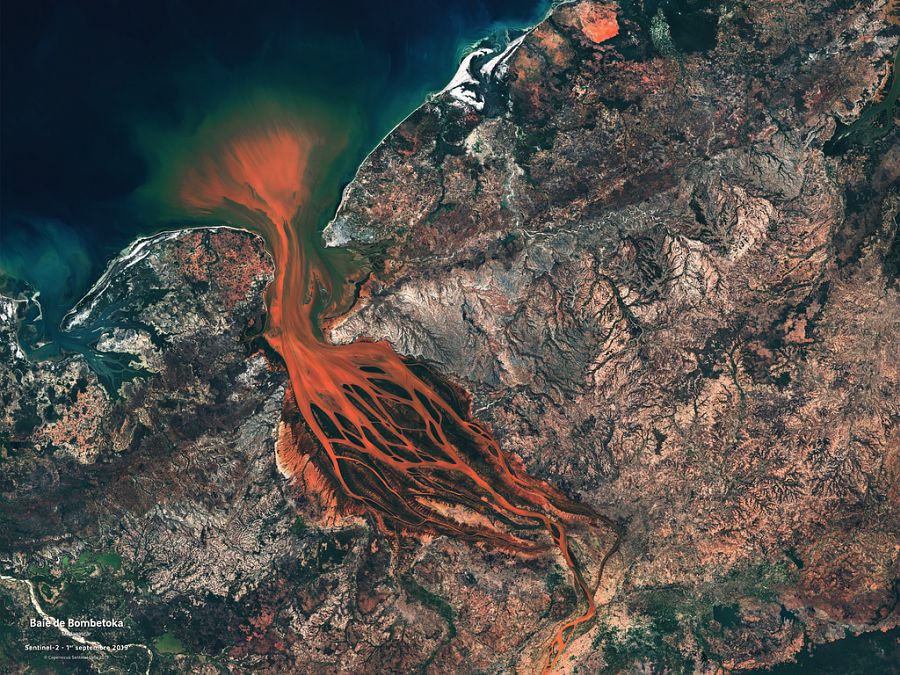
Observe the Earth
Forecast the weather
Connecting the world
Navigate with precision
Explore the Universe
Prévoir la météo
Connecter le monde
Naviguer avec précision
Explorer l'Univers
Space in our daily lives
Space is already everywhere.
Environment
Mobility
Cheers
Agriculture
Security & defence
Environment
Mobility
Cheers
Agriculture
Security & defence
Environment
Mobility
Cheers
Agriculture
Security & defence
Environment
Mobility
Cheers
Agriculture
Security & defence
Environment
Mobility
Cheers
Agriculture
Security & defence
The space sector undergoing transformation
For decades, space was the domain of states: colossal budgets, development timelines of 10 to 15 years, and a few dominant institutional players. Then everything changed. In the 2010s, a new generation of entrepreneurs decided to do things differently. Faster. Cheaper. With technologies stemming from the digital world. New Space was born.
Learn more

The space value chain
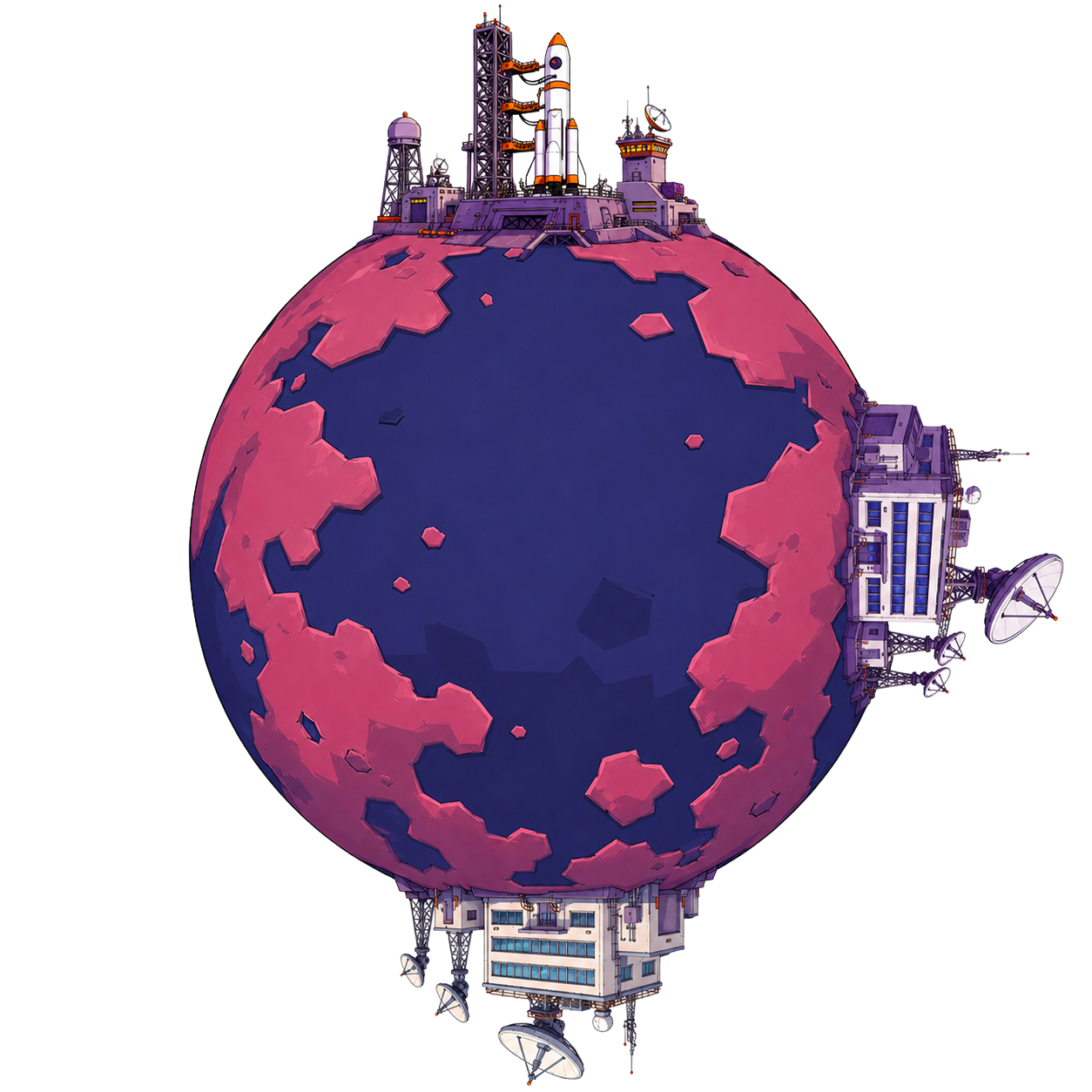
From the ground to orbit, a space mission involves a complete chain of professions. Launch bases, launchers, satellites, balloons, and data reception and processing stations: each stage transforms an idea into useful services for science, the environment, communications or security.
Launch sites and systems
A mission begins on the ground. At launch bases, teams prepare the facilities, networks and safety systems, coordinate operations and ensure the protection of personnel, equipment and the environment.
Explore careers
Ground stations
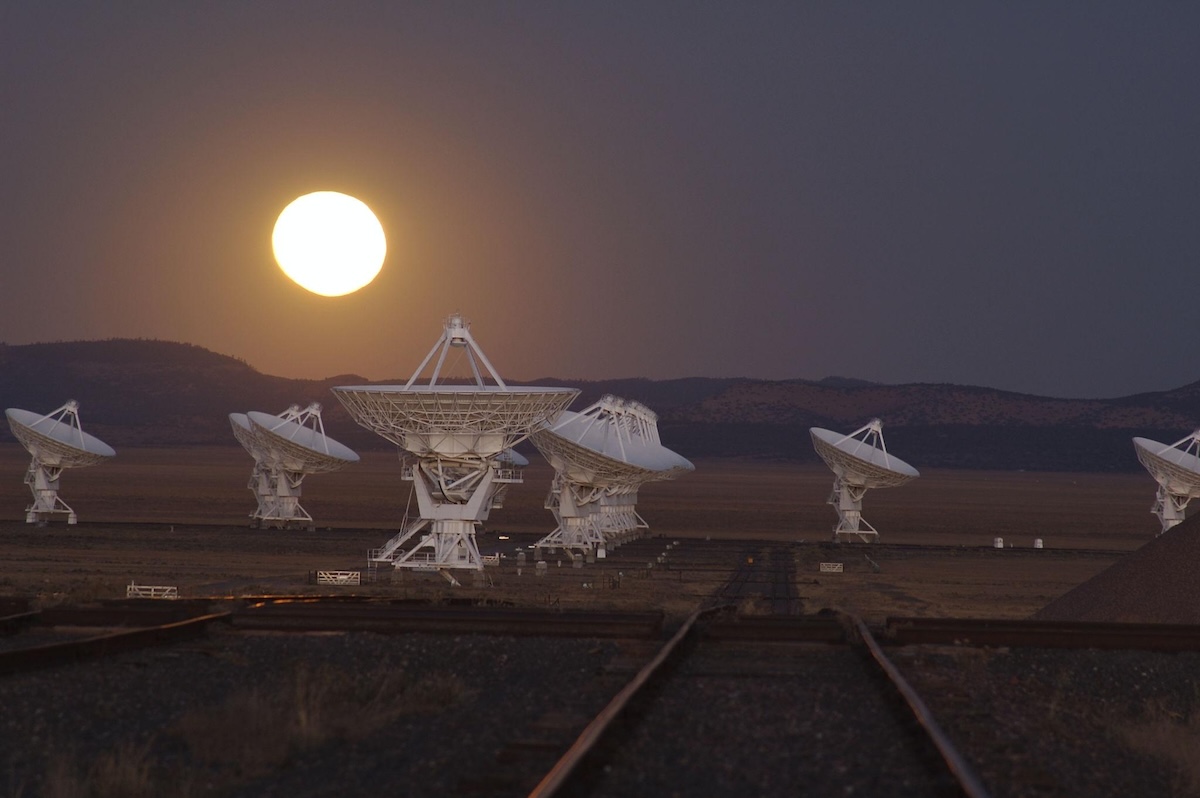
Ground stations maintain the link with spacecraft in flight. Their antennas receive data and telemetry, transmit commands and rely on radio frequency, electronics, computing and networks.
Explore careers
Data processing
Signals and images received from space are transformed into usable information. Signal processing, geomatics, programming, data science and artificial intelligence make it possible to produce maps, forecasts and new services.
Explore careers
Balloons
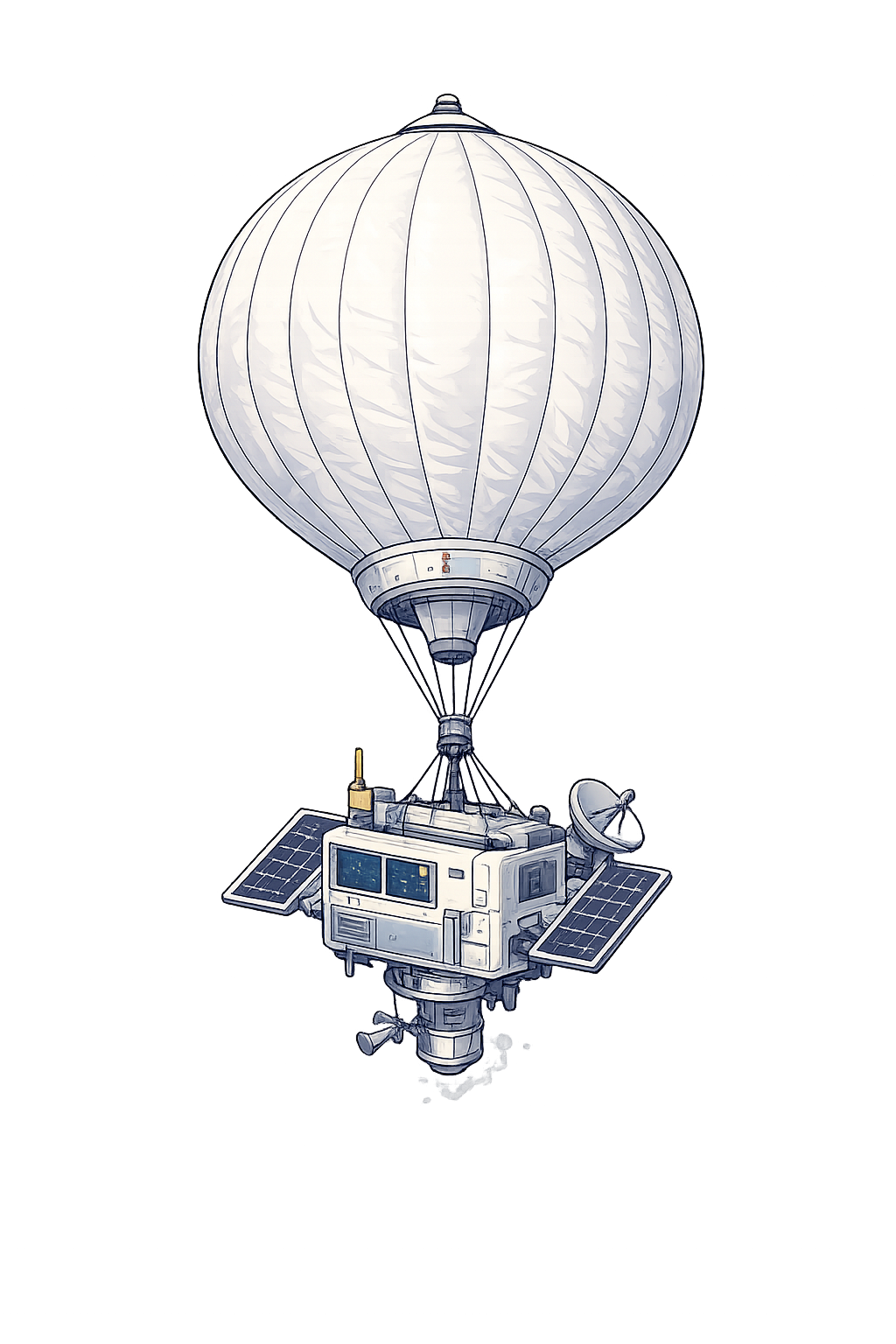
Stratospheric balloons carry instruments to observe the atmosphere, conduct experiments or test technologies. Their preparation and monitoring involve flight mechanics, telemetry, telecommunications and operations.
Explore careers
Lanceurs
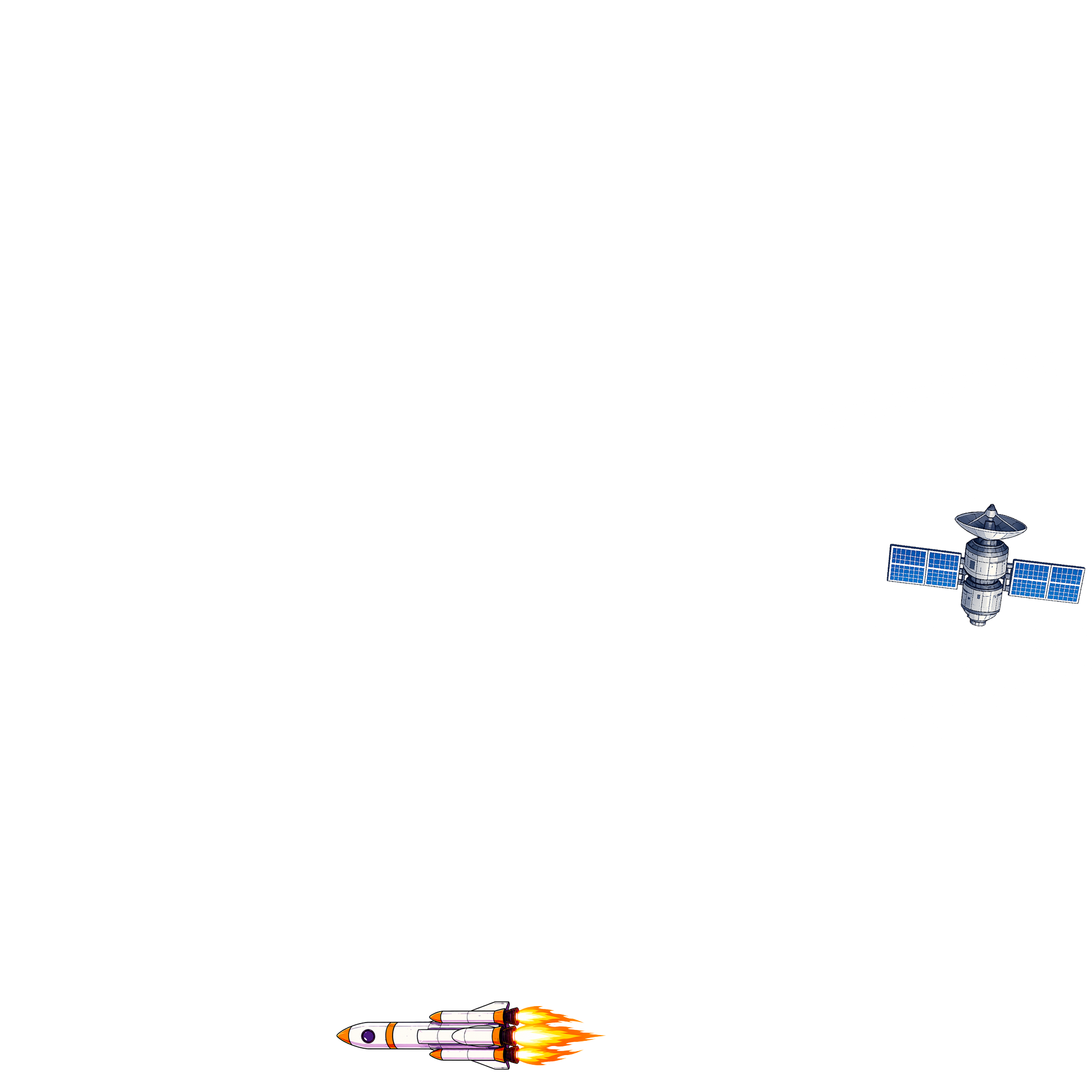
Launchers place satellites and probes on their trajectory. Their design combines propulsion, structures, materials, thermal engineering, aerodynamics, guidance and embedded software, prior to demanding phases of manufacturing, testing and operations.
Explore careers
Satellites
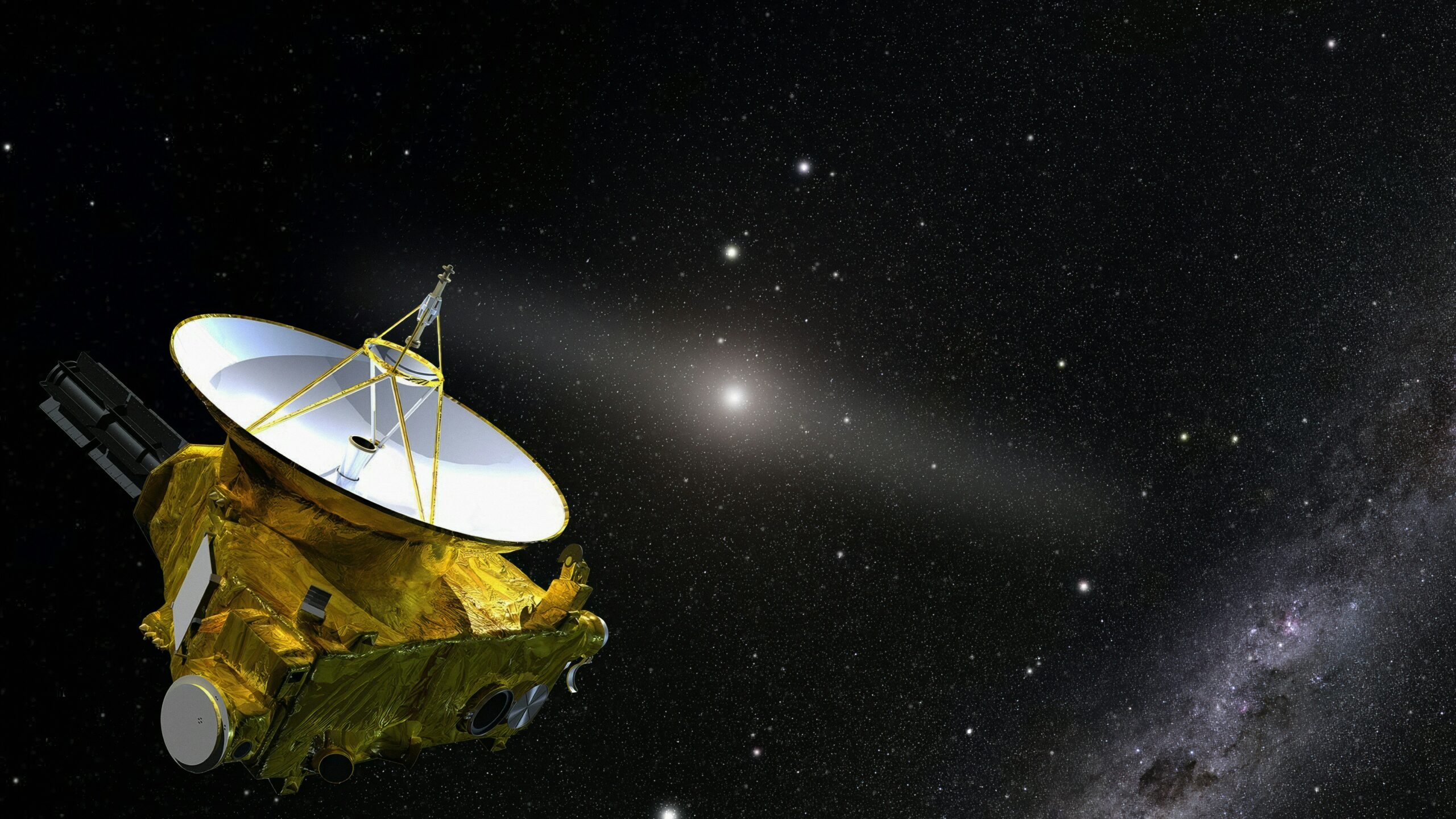
A satellite combines a platform that provides power, control and communications, with a payload dedicated to its mission. Optics, electronics, mechanics, thermal engineering, radio frequency and software make its operation possible.
Explore careers
What qualifications are needed to get into these professions?
From secondary school to higher education, several pathways lead to careers in the space sector. Discover the training courses suited to your profile and level.